Uncategorized

Shivam Verma
Updated:
In today’s fast-paced business landscape, leveraging AI-powered solutions has become essential for staying competitive. Among the AI tools available, two popular choices are Voice Assistants and Text-Based Chatbots. This article delves into the key considerations for selecting the right AI for your business.
Why You Need Voice Assistants and Text-Based Chatbots
Voice Assistants and Text-Based Chatbots have revolutionized customer interactions. They offer real-time assistance, boost efficiency, and enhance customer experiences.
Voice Assistants and Text-Based Chatbots have emerged as indispensable tools for businesses. They empower companies to deliver immediate, personalized customer support, streamline operations, and stay ahead in the competitive market.
These AI-driven technologies enable 24/7 engagement with customers, enhance user satisfaction, and offer innovative ways to interact, making them essential for modern businesses.

NLP & ASR in Conversational AI
At the core of both Voice Assistants and Text-Based Chatbots are Natural Language Processing (NLP) and Automatic Speech Recognition (ASR).
NLP enables the AI to comprehend, generate, and respond to human language, while ASR is responsible for deciphering spoken words.
These fundamental technologies empower AI systems to engage in meaningful and natural conversations with users, creating a seamless and human-like interaction experience.
Factors to Consider Before Choosing Voice Assistants vs. Text-Based Chatbots
Before making a decision on whether to implement Voice Assistants or Text-Based Chatbots, several crucial factors merit careful evaluation. First and foremost, understanding your target audience is vital. Consider whether your customers prefer voice-based or text-based interactions.
Furthermore, assess your specific use case. Are you looking to automate routine tasks or provide complex, personalized assistance?
Additionally, be mindful of industry regulations, as some sectors, like healthcare, may have stricter data security and compliance requirements. Balancing these considerations is essential for ensuring the most effective AI solution for your unique business needs.

A Comparison: Voice Assistants vs. Text-Based Chatbots
Let’s compare Voice Assistants and Text-Based Chatbots across several key dimensions:
Aspect | Voice Assistants | Text-Based Chatbots |
Interaction Mode | Voice-based | Text-based |
User Engagement | Conversational, human-like | Text-based, efficient |
Multilingual Support | Varies based on platform | Easily supports multiple languages |
Complexity of Interaction | Supports complex queries | Primarily handles routine tasks |
User Privacy | Privacy concerns due to voice data storage | Text data can be anonymized more easily |
Integration with Systems | May require more integration work | Easier to integrate with existing systems |
Industry Suitability | Useful in many sectors, including healthcare and automotive | Versatile, suitable for various industries |
Cost Considerations | Potentially higher costs for voice recognition technology | Often more cost-effective |
Case Studies of Voice Assistants and Text-Based Chatbots:
Voice Assistants Case Study:
One of the most prominent examples of Voice Assistants in action is Amazon’s Alexa. Alexa has seamlessly integrated into millions of households, offering a wide range of functions from playing music to controlling smart devices. For businesses, Alexa Skills provide a platform to create custom voice interactions tailored to their products or services.
Text-Based Chatbots Case Study:
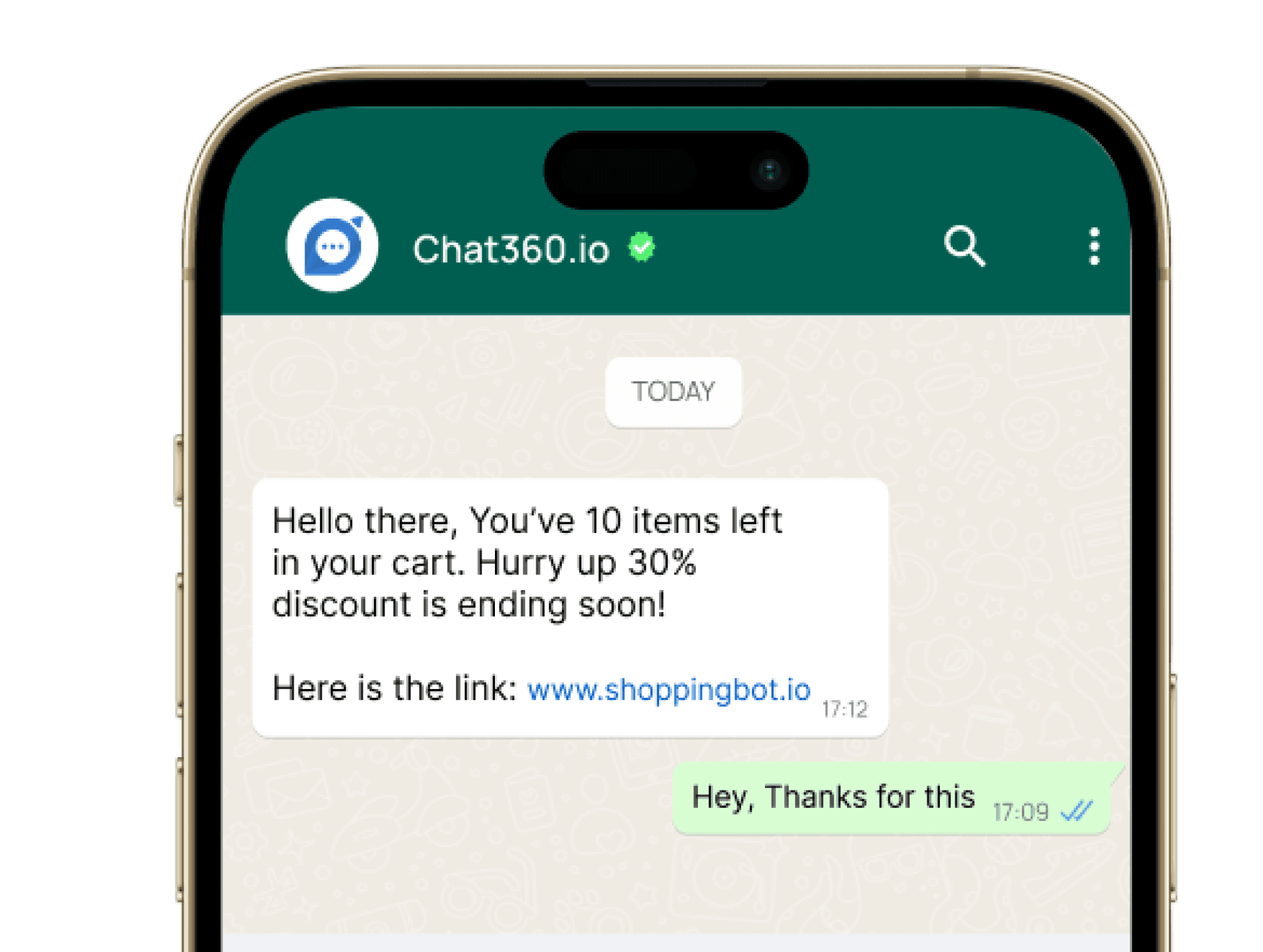
Chat360’s chatbot is a standout example of how text-based chatbots can revolutionize customer support. It helps businesses automate routine inquiries, triage support tickets, and provide customers with immediate assistance. The AI-driven chatbot has increased response times and enhanced user satisfaction.
A Comparison: Voice Assistants vs. Text-Based Chatbots
Voice Assistants in Business:
BMW Intelligent Personal Assistant:
BMW’s Voice Assistant offers a more immersive in-car experience. It can control various vehicle functions, answer questions, and adapt to user preferences, enhancing the driving experience.
Mayo Clinic First Aid:
Mayo Clinic is a top-ranked hospital in the U.S., with campuses in Arizona, Florida, and Minnesota provides voice-based assistant first-aid guidance. Users can get immediate medical advice in case of injuries or emergencies, making healthcare more accessible.
Text-Based Chatbots in Business:
Okaya Batteries:
Okaya Batteries have been an industry leader in India since 1980’s, offering a diverse range of batteries suitable for various applications including Inverter and Solar Tubular Batteries, SMF/VRLA Battery, Solar Batteries, and E-Rickshaw battery solutions, uses AI powered chatbots to answer customer questions and support.
Milton:
Milton has integrated chatbots into its customer service strategy, enhancing the overall user experience. These chatbots provide real-time assistance to customers, helping them with inquiries about vehicle features, service scheduling, and troubleshooting common issues.